Agencies running probation GPS monitoring at scale quickly discover that raw pings are not decisions. Dashboards translate device behavior into officer workflows, court narratives, and training feedback loops. Start from the supervision order: if the court demands continuous outdoor tracks, your probation GPS monitoring tiles must expose dwell, speed, and geofence exits with timestamps that survive discovery—not just a pretty heatmap. Pair this article with our probation GPS monitoring pillar for staffing models; here we focus on analytics architecture and vendor expectations.
1. Core metrics for probation GPS monitoring dashboards
Every probation GPS monitoring program should publish definitions before buying wallboards. At minimum, track:
- Compliance rate: Percentage of supervised days without substantiated violations, normalized by risk tier. Low-quality geofences make this metric lie—calibrate buffers against local multipath.
- Zone violations: Count inclusion and exclusion breaches with dwell time, not single-point spikes. Probation GPS monitoring hearings turn on whether the defendant stayed in the wrong place.
- Alert response time: Median and tail latency from device event to officer acknowledgement. Slow acknowledgement looks like tolerance on paper even when the GPS ankle monitor did its job.
- Device health: Charging adherence, firmware build, carrier status, and gap explanations. Dead batteries are the silent enemy of trustworthy probation GPS monitoring analytics.
When chiefs ask for “one number,” resist unless that number maps to a statute or policy clause. Composite scores help executives, but line officers need disaggregated probation GPS monitoring signals they can defend under cross-examination.
2. Real-time supervision versus historical analytics
Real-time maps support watch desks, victim-notification workflows, and emergent absconding. They consume analyst attention and can bias toward recency—officers chase flashing icons while systemic issues hide in aggregates. Historical analytics reveal drift: creeping alert noise, mis-tuned curfew bands, or vendor-side ingestion delays that masquerade as noncompliance.
Best practice for probation GPS monitoring is dual-channel operations: live consoles for triage, nightly or weekly cohort reviews for QA. Compare the same incident in both lenses—if the GPS ankle monitor shows a clean track but the live tile lagged, you have a platform problem, not a supervisee problem.
3. Integrating electronic monitoring with case management systems
Electronic monitoring platforms should not be an island. Case management integration reduces duplicate defendant keys, aligns supervision end dates, and ensures zone updates propagate before court on Monday morning. Minimum viable integration includes bi-directional identifiers, order metadata, and document attachments for amendments.
Advanced probation GPS monitoring stacks expose webhooks or message queues so CMS events (new no-contact orders) automatically reconfigure geofences. Audit trails must record the officer or system account that initiated each change—critical when defense counsel challenges electronic monitoring configuration.
4. Dashboard UX principles for community corrections
Officers face cognitive overload; probation GPS monitoring UIs should prioritize triage queues with severity, age, and suggested next steps—not fifty equal-weight tiles. Color semantics must be consistent across shifts: red means “open violation requiring action,” not “marketing accent.” Accessibility (contrast, keyboard paths) is not optional when unions and DOJ consent decrees scrutinize workload fairness.
Drill-down paths should land on map context, device timeline, and exported packet preview in three clicks or fewer. If supervisors cannot rehearse a hearing narrative from the dashboard, your GPS ankle monitor investment is under-delivering.
5. Vendor evaluation criteria for analytics-ready probation GPS monitoring
Procurement teams should score vendors on analytics readiness, not brochure map skins. Require sample CSV and PDF exports, documented event schemas, firmware version propagation into events, and sandbox environments for training. Ask how probation GPS monitoring rules engine versioning works when courts retroactively amend conditions.
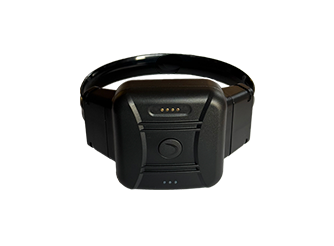
Hardware matters: a GPS ankle monitor that drops fixes in urban canyons will poison analytics regardless of dashboard polish. Cross-check finalists against the benchmarks in our equipment reviews hub and stress-test alert pipelines with parole monitoring analytics patterns—many agencies run blended caseloads where analytics must be comparable across release types.
For manufacturer specifications and unified platform modules, consolidate finalist research on ankle-monitor.com alongside independent test data.
6. Aligning probation GPS monitoring KPIs with parole and pretrial partners
Multi-agency counties often share monitoring centers even when orders differ. Harmonize KPI definitions so probation GPS monitoring dashboards do not contradict pretrial or parole views of the same vendor feed. Shared glossaries reduce duplicate training and prevent incompatible SLA reports to the judiciary.
When agencies merge analytics, preserve legal segregation: probation officers should not see pretrial-only fields without authorization, even if the underlying vendor platform is multitenant.
7. FAQ
What KPIs belong on a probation GPS monitoring dashboard?
Compliance by tier, geofence violations with dwell, alert response latency, device health, and tamper backlog depth—each tied to court-order language.
When should agencies emphasize real-time maps versus historical analytics?
Use live maps for active incidents; use historical views for QA, training, and vendor performance reviews. Probation GPS monitoring maturity requires both.
How does electronic monitoring software integrate with case management?
Synchronize identifiers, orders, zones, and supervision dates with auditable change logs so supervision configuration in the EM stack matches the official record.
What vendor criteria matter for analytics?
Export schemas, UTC clocks, RBAC, rule versioning, and firmware visibility per GPS ankle monitor event.
Where can agencies find deeper procurement context?
Use rtlscn.com reviews, NIJ-oriented tests, and ankle-monitor.com for finalist specs.
Whether you are refreshing a statewide probation GPS monitoring contract or tuning an existing vendor stack, treat dashboards as operational infrastructure—not presentation layers. For a briefing on metrics, integrations, or acceptance testing, contact sales and map your electronic monitoring analytics requirements to evidence you can defend in court.